
The story of ReAct began 20 years ago with a small group of passionate global health advocates, several of whom are still part of the network today. Driven by the urgency of antibiotic resistance, ReAct has grown into a global movement with offices across four continents, influencing policy, empowering communities, and shaping governance.
Despite progress, global efforts remain insufficient, and urgent action is needed. ReAct remains committed to driving stronger responses to safeguard effective antibiotics for all.
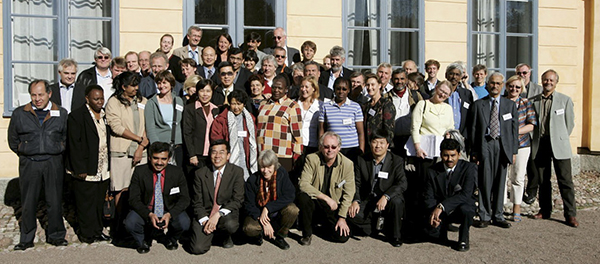
ReAct was created in 2005 with the goal to become a catalyst for global engagement and action on antibiotic resistance by bridging the gap between science and policy and turning what was then largely seen as a medical and technical issue, into one of social and political importance.
Together with the Dag Hammarskjöld Foundation, Professor Otto Cars, internationally renowned specialist in infectious diseases, organized a small pre-meeting on antibiotic resistance in 2004. His mission to wake the world up to the threat of antibiotic resistance started in Sweden already in the 1990’s. The meeting brought forward the idea of creating an international network on antibiotic resistance.
2005: The inauguration of ReAct
In 2005, a larger meeting was held with engaged champions from across the globe at which ReAct was formally inaugurated. Several people who attended this first meeting are still with ReAct today: Dr Arturo Quizphe-Peralta Director of ReAct Latin America, Professor Sujith Chandy Director of ReAct Asia Pacific, Professor Anthony So Director of former ReAct North America and Professor Otto Cars.
ReAct’s engagement for concerted action to antibiotic resistance has significantly contributed to many of the important initiatives that today are ongoing globally at different levels.
Scroll down to read more about ReAct throughout the years.
ReAct Impact Reports
ReAct’s Impact Report 2025 (article + link to PDF)
ReAct’s Impact Report 2023 (article + link to PDF)
Completion reports
For more detailed accomplishments for longer time-periods:
ReAct’s Impact Report 2023-2024 (article + link to PDF)
ReAct’s Impact Report 2019-2022 (article + link to PDF)
The story of ReAct
The EARLY YEARS 2004-2010
Targeting the WHO: generating evidence and identifying barriers for innovation of antibiotics
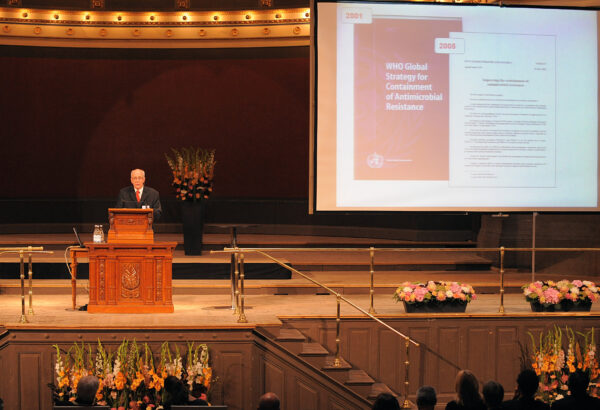
In the early years, ReAct’s main focus of work was on convincing the WHO to take leadership on the issue. The WHO had published its first strategy on antibiotic resistance already in 2001, but follow up was limited. Dr. Richard Laing (WHO) who attended the antibiotic resistance pre-meeting in 2004, was working on the WHO report “Priority Medicines for Europe and the World”. ReAct’s advocacy helped to position antibiotics strongly in the report, as co-authors of a chapter on antibiotics.
ReAct addressed the data gap – for political attention
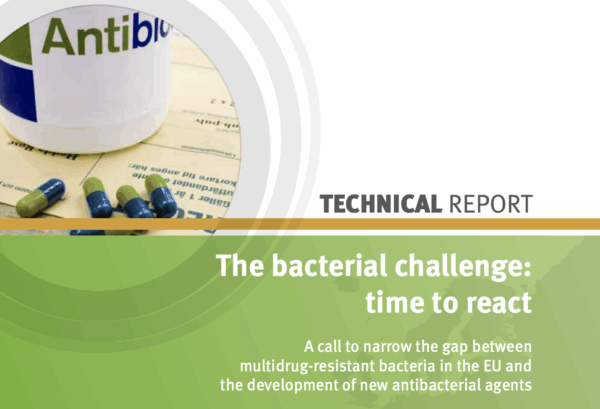
At the time a major obstacle for getting political attention to antibiotic resistance was due to limited reliable data on the burden of resistant infections. To address this gap ReAct worked with the European Center for Disease Control (ECDC) and the European Medicines Agency (EMA) to produce a joint technical report called “The bacterial challenge: time to react”, which succeeded in creating a lot of attention at the time.
Changing the paradigm of antibiotic resistance in Latin America: It is not a war
Meanwhile, ReAct champions continued to take action in many parts of the world. In 2007, ReAct Latin America was initiated. Today it is a strong network with strong roots in communities and academia in Ecuador, Argentina, Bolivia and Peru. Changing the paradigm of antibiotic resistance away from “a war on bacteria” has been and still is central to the work in the node.
Very first pipeline analysis for development of new antibiotics
Another key focus area was to address the barriers causing a lack of a sustainable pipeline of new antibiotics. Again together with the ECDC and the EMA, data was collected as part of the very first pipeline analysis which showed the pipeline to be in a very worrying state. Two major events came out of this analysis. ReAct supported Sweden in making the development of new antibiotics a core focus of the work program under the Swedish European Council Presidency in 2009. This lead to the Conclusions of the European Council on Innovative incentives for effective antibiotics, laying the groundwork for the first EU Action plan on Antimicrobial Resistance, adopted a few years later.
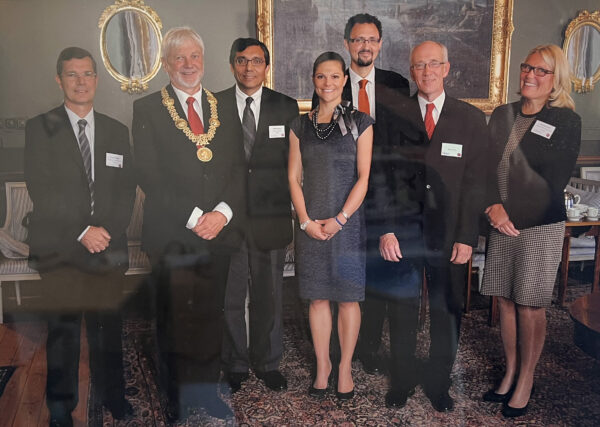
The second event was a ReAct-organized Global Conference in 2010; “Global Need for Effective Antibiotics – moving towards concerted action” organized in Uppsala, Sweden. More than 200 participants from all across the globe met for 3 days to discuss the complexity of the problem and identifying possible solutions. ReAct subsequently co-authored the publication “Critical shortage of new antibiotics in development against multidrug-resistant bacteria—Time to react is now”.
THE EXPANSION YEARS 2010-2019
First international ReAct conferences in Latin America
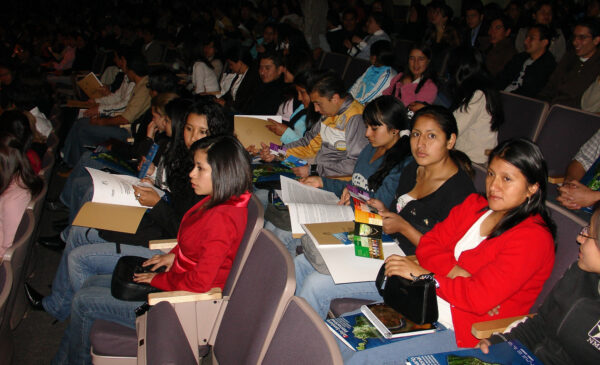
ReAct Latin America’s regional efforts include the organization of several large international conferences beginning in 2008 with an international meeting in Cuenca, Ecuador, leading up to the 2013 meeting “Recovering the health of ecosystems to contain bacterial resistance to antibiotics”, with participants from 32 countries.

A long-term project is the Alforja Educativa – an educational package for children in middle school using child to child learning methodology. The material also engages and educates the teachers, and the children educates their parents – giving a long-term perspective to bacteria and health. This project has been expanded to include a number of counties in Kenya by ReAct Africa in 2018.
One of the earliest awareness raising activities organized by ReAct Latin America, was an early project called PhotoResistenciá – a travelling photo-exhibition on antibiotic resistance to raise awareness amongst health professionals and the public.
2010: ReAct South East Asia: champions mobilized to transform national level policies and implement community programs on antibiotic resistance

In 2010, a ReAct network in South East Asia was initiated. Leveraging the close links of ReAct members with key health activists, champions were mobilized trying to transform national level policies and implement community outreach programs on antibiotic resistance. Fruitful links with for example the Thai Antibiotic Smart Use programs were made, and early meetings held in the region attracted participants from for example Singapore, Malaysia, Vietnam, Thailand, and India.
The dispersed nature of the network was difficult to maintain while growing and after a period of hiatus, in 2016 the ReAct Asia Pacific node was inaugurated with a base in Vellore, India. ReAct Asia Pacific works to mobilize policy makers and encourages locally appropriate initiatives to develop innovative solutions to the issue of antibiotic resistance, such as work to establish Antibiotic Smart Communities. They have also provided input to the first state Action Plan on AMR, in Kerala.
2015: ReAct Africa: grown into a credible resource and trusted partner for important African actors
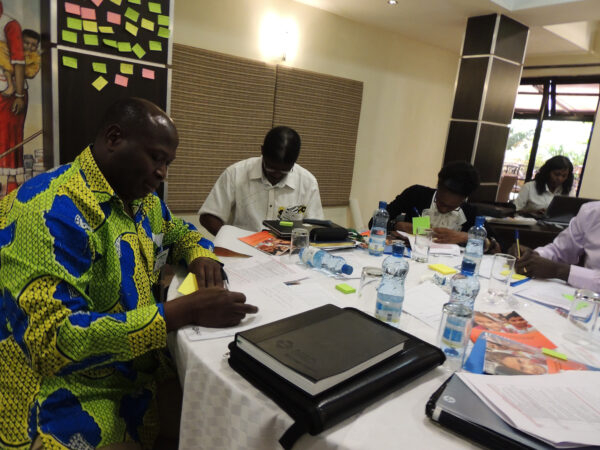
One unintended positive outcome from the ReAct 2010 conference mentioned earlier, was a collaboration in 2011-2012 between ReAct and the Ghanayan government to support the formation of a national working group on antibiotic resistance. This led to Ghana being the first country in Africa to form a multi-sectorial coordination group on antibiotic resistance. In addition, ReAct also collaborated with other organizations and individuals in Africa.
In 2015, a regional meeting was held where the establishment of a new African node was suggested – and so ReAct Africa was born. The node is now firmly established as a credible resource and trusted partner of a number of important actors in the African region including governments, the African CDC, and local and regional communities.
African AMR champions trained by ReAct have gone on to lead country initiatives on antimicrobial resistance and ReAct Africa’s fingerprint is on most NAPs in the region, as well as regional initiatives, such as the SADC AMR Framework. The ReAct Africa conference has become an important regional meeting place and gathered over 145 multi-sector participants from 47 countries. 38 of these were African countries.
The Antibiotic Resistance Coalition – a civil society network initiated by ReAct

The Antibiotic Resistance Coalition (ARC) consists of civil society organizations and stakeholders from six continents working in the health, agriculture, consumer and development sectors. Established in May 2014 and launched during the World health Assembly in Geneva, the Coalition advocates for policy change and action on antibiotic resistance. At the launch, a declaration on antibiotic resistance was adopted and today its ranks include 30 civil society groups, bringing breadth in expertise and advocacy networks for stronger civil society voice in global policy processes. ReAct North America functioned as the coalition’s secretariat from 2014-2023. As of 2024 the IDEA Initiative functions as the coalition’s secretariat.

Since its inception, ReAct has highlighted the need for novel antibiotics and was among the first to discuss the idea of de-linkage in the field of antibiotics – i.e. divorcing the cost of investment in research and development on antimicrobial resistance from both the price and volume of sales.
Early on, ReAct initiated high-level discussions on how new antibiotics could and should be managed to secure both affordable access and to make sure they are appropriately used. ReAct has since then been engaged in a number of policy initiatives for the development of new antibiotics and has advised policymakers on the complex and interrelated challenges of innovation, access and conservation.
ReAct participated in first-ever UN Briefing on AMR
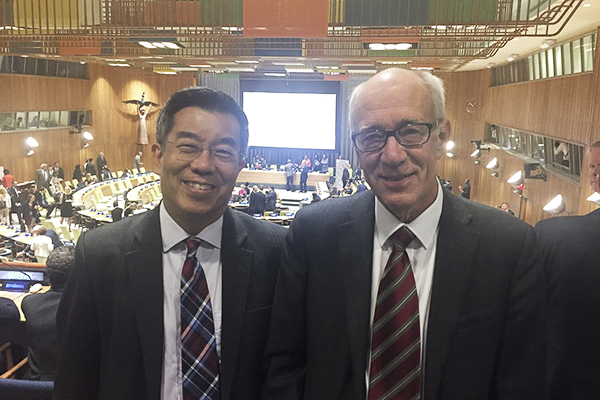
In June 2015, ReAct participated in the first-ever UN Briefing on “Antimicrobial Resistance: An Emerging Global Threat”, hosted by Every Woman Every Child. In 2016, the work of ReAct and many others paid off when antimicrobial resistance (AMR) was elevated to the UN level, as only the 4th health topic ever to be discussed in the UN General Assembly in 2016. The resulting political declaration signed by all member countries highlighted both the principle of de-linkage and led to the establishment of the ad hoc UN Interagency Coordination Group (IACG) on Antimicrobial Resistance in 2017.
Members of the UN Inter-Agency Coordination Group on AMR

Two of ReAct’s staff, Professors Otto Cars and Anthony So were members of the UN Inter-Agency Coordination Group on Antimicrobial Resistance (IACG), which delivered its recommendations for global action to the UN Secretary General in 2019.
2019: Open letter to UN Member States from former IACG members Anthony So and Otto Cars
Antibiotic resistance jeopardize the SDGs

In 2017, ReAct Europe initiated work to showcase how the realization of several the Sustainable Development Goals (SDGs) are jeopardized by lack of effective antibiotics and initiated advocacy to influence the indicator framework. In 2020, at the first revision of the SDG framework, an indicator on antibiotic resistance was included.
ReAct Report: When the Drugs Don’t Work – Antibiotic Resistance as a Global Development Problem
The ReAct Toolbox

The ReAct Toolbox is a repository on antibiotic resistance that provides you with information, inspiration and guidance to take action. The purpose of the toolbox is to raise awareness, and to be a reliable resource for policy makers, health professionals and civil society organizations. It was officially launched at a side event at the World Health Assembly in 2015.
The development of the Toolbox was started by ReAct Europe in 2013 and the Toolbox has continuously been updated to better suit the needs of actors based in resource poor contexts, in low- and middle-income countries. It contains more than 500 quality reviewed open access resources and is continuously updated based on scientific evidence and experiences from those working in the field. It is supported by an advisory group of renowned experts that provide strategic and scientific advice. In 2020, more than 150,000 users from over 150 countries visited the ReAct Toolbox.
Learn more and visit the ReAct Toolbox.
2020-2025: EXPANDING IMPACT AND SHAPING THE FUTURE
As the world grappled with the unprecedented challenge of the COVID-19 pandemic, ReAct remained steadfast in its mission to tackle antibiotic resistance. In the face of many competing priorities, ReAct focused on sustainable solutions through integration of antibiotic resistance into broader global health and development agendas.
In 2020, ReAct engaged in the process of establishing of the Global Leaders Group on AMR (GLG) to ensure that civil society perspectives and participation in the group. The final GLG composition had civil society representation from Center for Science and Environment India. This period also saw stronger collaborations with Africa CDC, leading to the creation of a Community of Practice platform, enhancing regional governance structures and knowledge exchange.
Antibiotic Smart Communities

ReAct also continued its work on community-driven action. The Antibiotic Smart Communities initiative, developed and launched in India and subsequently also Indonesia, provided an indicator framework for local engagement in tackling antibiotic resistance by becoming ‘antibiotic smart’.
Empowered Communities

In 2021, ReAct Latin America, in collaboration with PAHO, launched the ‘Empowered Communities’-initiative, which strengthened local capacities to address antibiotic resistance through localized and participatory approaches. This initiative places communities as key agents of change, supporting them in developing locally driven strategies to reduce antibiotic misuse and promote health equity.
Initiating global discussions ahead of the 2024 UN HLM on AMR
In 2023 ReAct initiated the global discussions ahead the 2024 UN High-Level Meeting on AMR. Convening experts in Uppsala, ReAct started the conversation on defining key priorities for global action on stronger governance, sustainable financing, and sustainable access to effective antibiotics. This work was followed up with key convenings of actors in Argentina, Sweden and Zambia throughout 2024, ReAct Asia Pacific organized a first ever a civil society meeting in Jakarta, Indonesia, bringing together activists, community leaders, and health experts from across the region to strengthen grassroots advocacy and amplify regional voices in the global response to antibiotic resistance.
Global campaign: From People to Leaders: Act on AMR NOW!
Building on years of advocacy in and for communities, ReAct launched the global campaign “From People to Leaders: Act on AMR NOW!”, a bold initiative urging policymakers, funders, and global leaders to recognize and act on AMR as the urgent crisis it is. Central to the campaign was a ‘A Call for Global Action’ which gathered support from roughly 200 communities, social movements and civil society organization wordwide ahead of the United Nations High-Level Meeting on AMR in September 2024. By elevating stories from communities the campaign showed the human cost of inaction and pushed for more ambitious political commitments.
ReAct Africa Conference – key platform for AMR stakeholders

At the regional level, the ReAct Africa Conference continued to grow as a key platform for AMR stakeholders across the continent. Bringing together government representatives, researchers, civil society organizations, and community advocates, the conference played a crucial role in fostering regional collaboration, sharing best practices, and advancing policy discussions on AMR in Africa. Through this platform, ReAct Africa has strengthened capacity-building efforts and multi-sectoral engagement, ensuring that local perspectives drive sustainable solutions.
Learn more about the ReAct Africa and South Centre conference
Antibiotic Smart Sweden
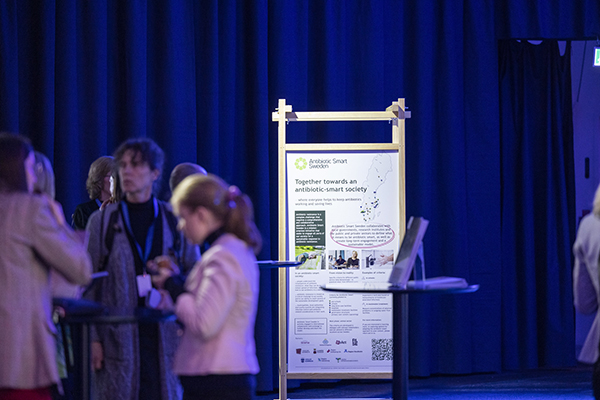
At the national level, ReAct Europe deepened its engagement in Antibiotic Smart Sweden, a collaborative initiative led by the Public Health Agency of Sweden. By supporting knowledge-sharing, cross-sectoral collaboration, and local action, ReAct contributed to Sweden’s efforts to reduce antibiotic resistance while ensuring sustainable access to effective treatments.
20 years in 2025: New partnerships, expanded initiatives

As ReAct marks 20 years in 2025, its mission remains as critical as ever. With new partnerships, expanded initiatives, and an unwavering commitment to action, ReAct continues to propose and drive forward sustainable solutions that can safeguard access to effective antibiotics for generations to come.