
ReAct Africa engaged the Heavenly Saints Drama Ministry at the United Church of Zambia (UCZ) Matero Congregation in Lusaka, where young people explored how theatre and dialogue can inspire conversations about antimicrobial resistance (AMR) within their own communities.
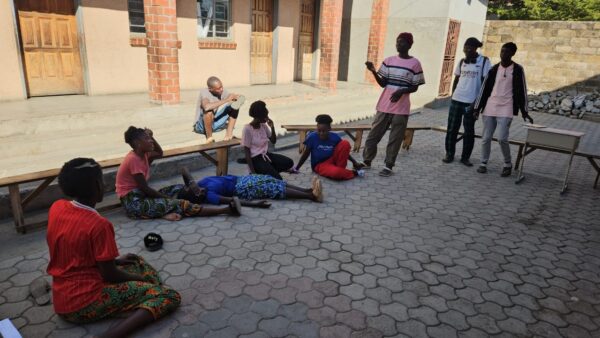
The engagement held between 26 and 30 May formed part of React Africa’s strategy which focuses on using participatory drama alongside the Community Dialogue Approach (CDA) to develop a youth-led model for AMR awareness.
Giving young people ownership
Rather than simply receiving information, participants became active creators of AMR messages.Drawing inspiration from previous World Antimicrobial Awareness Week activities, the young people worked together to develop and perform drama skits that communicated key stewardship messages in ways that were relatable, creative and grounded in everyday experiences.
The sessions also explored age-appropriate approaches for engaging children and young people, recognising that meaningful participation begins when young people help shape the conversations themselves.
Building on existing community strengths
The engagement highlighted the value of working through structures that communities already know and trust.
Faith communities provide natural spaces where young people regularly gather, making them well placed to support ongoing learning, dialogue and behaviour change.
Alongside the drama activities, participants and facilitators reflected on safeguarding considerations, community ownership and opportunities to strengthen youth leadership within church settings.
A model with potential to grow
The engagement marks the beginning of a longer-term vision to establish youth AMR champions within faith communities. By combining creativity, dialogue and community participation, ReAct Africa is helping young people become advocates who can share AMR messages with their peers, families and wider communities.
As the initiative develops, it offers a practical example of how locally led, youth-driven approaches can strengthen community engagement and make AMR communication more relevant, inclusive and sustainable.
More from "Maarifa Kids Project"
- Oral Health and AMR
- Community Clean up and Paint on!
- Engaging Children in AMR Through Play-Based Learning
- How Kenyan Schoolchildren Are Becoming Champions for Responsible Antibiotic Use
- Empowering Young People to Tell the Story of Antimicrobial Resistance
- Young Minds, Big Ideas: How the Maarifa Kids Project is Inspiring Africa's Next Generation of AMR Champions