
Research can tell us where antimicrobial resistance is occurring, which medicines are losing effectiveness and which interventions show promise. But evidence alone does not change health outcomes. It must reach the people making decisions and be translated into policies, guidelines, budgets and programmes that can be implemented.
This research-to-policy challenge was the focus of the Partners Forum and Knowledge Exchange on AMR Research, Policy Translation and Implementation, convened by ReAct Africa and the Zambia National Public Health Institute (ZNPHI) on 20 July 2026 in Lusaka.
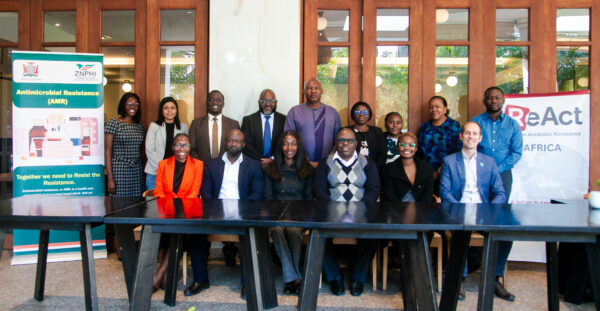
The forum brought together 30 participants from government, research institutions, regulatory agencies, academia, implementing organisations and ICARS to examine how Zambia can make better use of its growing AMR research and implementation experience.
When evidence and decision-making do not connect
Zambia is generating important AMR evidence, but the forum highlighted the need for stronger mechanisms to move locally generated knowledge into routine decision-making.
Participants identified opportunities to strengthen how diagnostic and AMR research and surveillance data inform clinical and policy decisions, broaden antimicrobial stewardship, improve One Health surveillance and regulatory systems, and increase domestic financing for AMR research and implementation.
Researchers, policymakers and implementers often occupy different parts of the AMR response. Creating stronger links between them can help ensure that research questions reflect policy needs, findings reach decision-makers in usable forms and evidence is translated into practical interventions.
From research findings to treatment guidelines
The discussions also highlighted the importance of putting research evidence into practice. Locally produced research has greater potential for impact when findings can inform treatment guidelines, programmes, policies and resource-allocation decisions. This requires more than publishing results: evidence needs to be translated and communicated in ways that respond to the realities and priorities of decision-makers and implementers.
Strengthening this process could also help Zambia ensure that future AMR research responds more directly to national priorities.
As a way forward, participants agreed to co-develop a policy brief capturing key lessons and recommendations emerging from the forum. The work will contribute to Zambia’s ongoing efforts to strengthen evidence-to-policy translation and create a springboard for the implementation of the anticipated national AMR Research Agenda.
More from "Policy Engagement"
- Zambia- Parliamentarian Engagement
- Parliamentarians Rally to Tackle Antimicrobial Resistance in Africa
- Strengthening Parliamentary Support for the Fight Against AMR
- Regional Leaders Align Ahead of Global AMR Ministerial Meeting
- Zambia Strengthens Political Leadership on Antimicrobial Resistance Through Parliamentarians’ Caucus
- Zambia Has AMR Evidence. The Next Challenge Is Getting It into Policy.
- When an AMR Intervention Works, How Do We Make It Last?