
The future of antimicrobial stewardship is not only about better guidelines, it is also about giving healthcare workers the tools they need to make informed decisions in real time.
This core vision anchored ReAct Africa’s involvement in both the DRIVE-AMS Kenya 2026 Follow-up Programme and the introduction of the DRIVE-AMS One Health Africa Capacity-Building Programme, an event hosted in Nairobi from 26–29 May 2026 by Radboudumc, AgaKhan University Teaching Hospital, and ICARS.
Among the highlights was ReAct Africa’s presentation of the ASPIRE Project, which demonstrated how digital innovation can strengthen antimicrobial stewardship in clinical settings. The project showcased AI-powered decision-support tools designed to help healthcare workers make informed prescribing decisions by integrating antibiotic guidelines and stewardship principles into everyday clinical practice.
Bringing together antimicrobial stewardship practitioners, implementers and partners from across Africa, the meeting created a platform to reflect on progress, exchange practical lessons and strengthen collaboration around sustainable stewardship programmes.
As health systems across Africa continue balancing increasing demand with limited resources, digital technologies have the potential to improve access to timely information, promote appropriate antibiotic use and strengthen patient care.
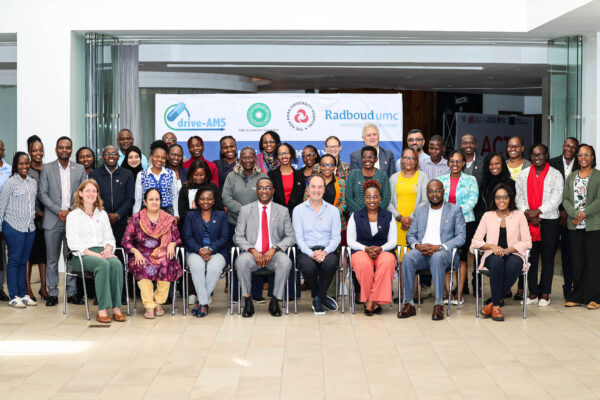
Strengthening stewardship across Africa
The meeting also marked the launch of a new three-year One Health Africa Capacity-Building Programme, supported by ICARS, AMREF Health Africa and Radboudumc.
The initiative will equip human and animal health professionals with the knowledge and practical skills needed to identify antimicrobial use challenges, design context-specific interventions and implement quality improvement projects using the DRIVE-AMS methodology.
Recognising Africa’s linguistic diversity, the programme will be delivered in both English and French through regional hubs in Kenya and Burkina Faso, helping expand access to stewardship training across the continent.
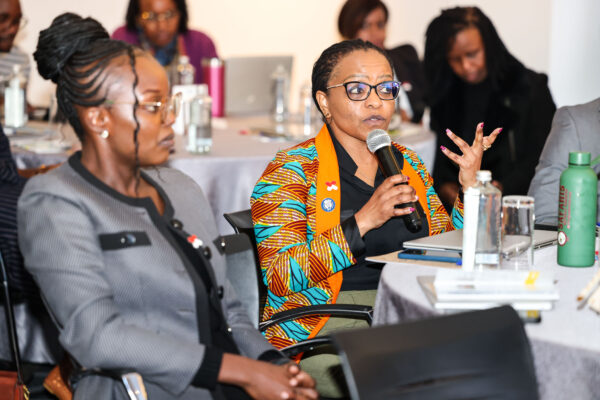
From innovation to implementation
While new technologies continue to emerge, their greatest value lies in how effectively they are integrated into routine healthcare.
The discussions in Nairobi reinforced the importance of pairing innovation with local capacity, ensuring that digital tools complement the expertise of healthcare professionals while responding to country-specific needs.
For ReAct Africa, the meeting represented another opportunity to demonstrate how digital innovation, implementation science and regional collaboration can work together to strengthen antimicrobial stewardship. As countries continue investing in sustainable health systems, combining technology with capacity building will remain essential in supporting safer antibiotic use and improving patient outcomes across Africa.
More from "ASPIRE"
- Article- 29/04/2024
- Article- 14/08/2024
- Article-31/03/2025
- Chatbot Launch
- LifeArc and ReAct Africa Advance the ASPIRE Project in Zambia
- ASPIRE Midline Progress in Kenya
- Advancing Smarter Antibiotic Stewardship Through Digital Innovation