
Across two school engagements in Lusaka, nearly 550 learners proved that age is no barrier to understanding one of the world's most pressing public health challenges. Through the Maarifa Kids Project, ReAct Africa, in partnership with the Global Shapers Lusaka Hub, is helping young people move beyond learning about AMR to becoming active participants in shaping solutions.
Learning by asking, discussing and creating
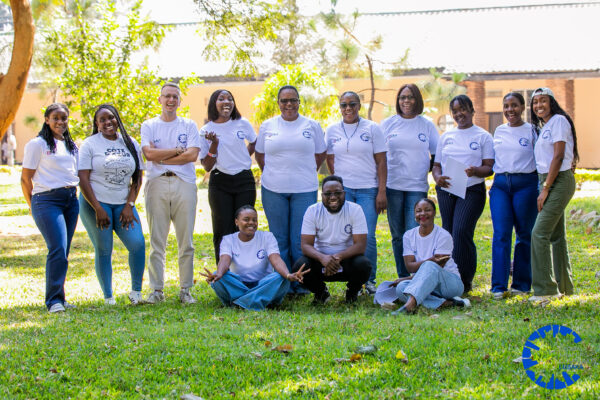
The initiative began with a two-day capacity-building workshop for Global Shapers volunteers, equipping facilitators with knowledge in antimicrobial resistance, infection prevention and control (IPC), WASH, youth engagement, project management and sexual and reproductive health. Together, they developed a participatory approach that encourages children to think critically, work collaboratively and share their own perspectives.
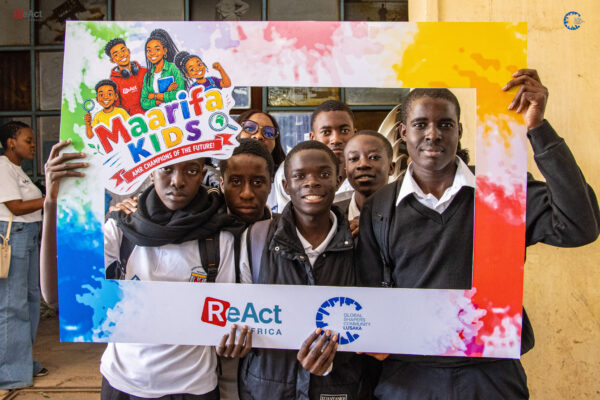
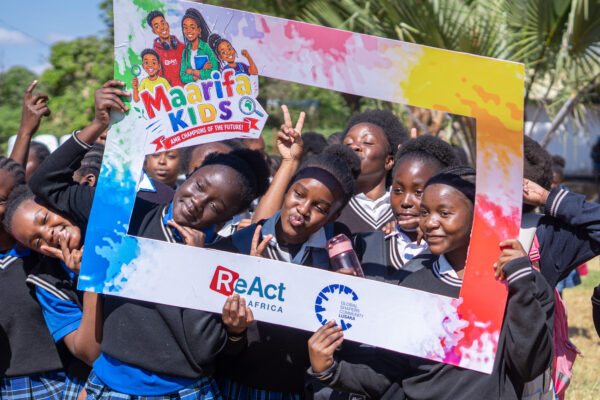
This approach was put into practice during school engagements at Munali Boys and Munali Girls Secondary Schools, where almost 550 learners took part in interactive discussions on AMR, hygiene, innovation and community health.
Rather than sitting through lectures, students worked in groups to identify the drivers of antimicrobial resistance within their communities and propose practical solutions that could help address them.
Listening to young people’s perspectives
Across both schools, several themes consistently emerged. Students recognised inappropriate antibiotic use, poor hygiene practices and limited public awareness as key drivers of AMR. They also demonstrated remarkable creativity in imagining how technology could support behaviour change, proposing ideas such as medication reminder applications, AI-powered information assistants, podcasts and social media campaigns to improve awareness and encourage responsible antibiotic use.
At Munali Girls Secondary School, discussions also explored menstrual health and hygiene, allowing participants to connect everyday health practices with broader conversations about infection prevention and antimicrobial stewardship.
The engagements highlighted an important insight: when young people are given the opportunity to participate rather than simply receive information, they are able to understand complex health challenges and contribute thoughtful, context-specific solutions.
Building the next generation of health champions
The Maarifa Kids Project extends beyond awareness sessions. ReAct Africa is working with schools and partners to establish AMR clubs that will provide ongoing opportunities for learning, peer engagement and youth leadership.
By combining participatory learning, digital innovation and child-to-child engagement, the project is creating spaces where students can build confidence, develop leadership skills and become advocates for responsible antimicrobial use within their schools, families and communities.
Looking ahead
Children are often seen as future beneficiaries of public health programmes. The Maarifa Kids Project takes a different view.
By recognising young people as partners in learning and problem-solving today, the initiative is nurturing a generation that is informed, engaged and ready to contribute to healthier communities.
Because meaningful change doesn’t always begin in boardrooms or laboratories. Sometimes, it begins with a question asked in a classroom and a young person confident enough to answer it.
More from "Maarifa Kids Project"
- Oral Health and AMR
- Community Clean up and Paint on!
- Engaging Children in AMR Through Play-Based Learning
- How Kenyan Schoolchildren Are Becoming Champions for Responsible Antibiotic Use
- Empowering Young People to Tell the Story of Antimicrobial Resistance
- Young Minds, Big Ideas: How the Maarifa Kids Project is Inspiring Africa's Next Generation of AMR Champions