
Automatic translation by Google. Limitations and info.

Science
As 2025 marks the 80th anniversary of Dr Fleming’s 1945 Nobel Prize in Medicine, we reflect on a drug that fundamentally shifted the balance of power between humanity and infectious disease. Yet, this celebration is tempered by the very warning Fleming issued during his acceptance speech: the misuse of antibiotics could select for bacterial resistance, rendering the miracle drug ineffective. Today, this warning is the looming crisis of antibiotic resistance, a threat that is endangering modern medicine.

As 2025 draws to an end, ReAct celebrates 20 years of action, policy influence, and community mobilization in the work against antibiotic resistance. Looking ahead, 2026 is positioned as a pivotal year to translate political commitments- secured in 2024 and maintained through 2025 – into concrete action and sustained resources on the ground, particularly in low- and middle-income countries. The year ahead opens up for further action to transform political promises into measurable impact across governance & financing, advancing National Action Plan implementation and equitable access to antibiotics.
ReAct 20 years
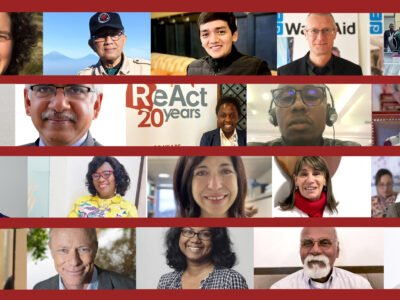
or 20 years ReAct has built a wide global network for stronger action on antibiotic resistance. Growing from a few contacts in a few countries to a worldwide movement connecting researchers, policymakers and communities.
As ReAct marks this milestone, 20 voices from across its extended network reflect on collaborations that have shaped both careers and regional AMR approaches. These testimonials reveal how ReAct’s “whole-of-society” approach has created lasting partnerships extending beyond traditional medical boundaries demonstrating a collaborative spirit that continues to drive the global AMR movement forward.
Thank you for sharing your voices!
News
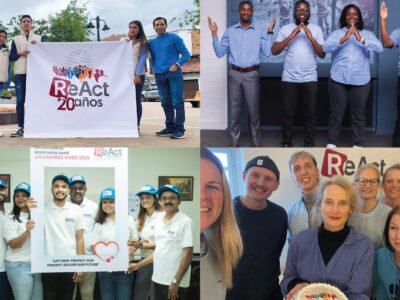
World AMR Awareness Week is a moment to rethink our relationship with antibiotics and with life itself.
At ReAct, we join this global movement by engaging stakeholders and communities across four continents. Below are key highlights from this year’s activities.

Policy
ReAct welcomes the launch of Sweden’s new Strategy on Antimicrobial Resistance. It will guide Sweden’s efforts to address antibiotic resistance – nationally and through international commitments in the next 10 years. Sweden’s new strategy was developed through extensive consultation and collaboration with experts, organizations and authorities across sectors, including ReAct.
ReAct 20 years - policy
Antibiotic resistance is one of the greatest global health problems, with far-reaching consequences if urgent action is not taken to prevent a post-antibiotic era. Within the broader concept of antimicrobial resistance (AMR), resistance to antibiotics is the greatest and most urgent global risk. Yet, funding and coordination for action remain far behind the scale of the challenge. A new ReAct analysis and policy brief highlights persistent barriers that hinder countries from optimally accessing and using international financing to implement their National Action Plans on Antimicrobial Resistance (AMR NAPs). It also identifies opportunities to make global AMR financing more coherent, efficient, and accessible, and outlines pathways to strengthen global mechanisms for more coordinated and effective AMR funding.
WAAW
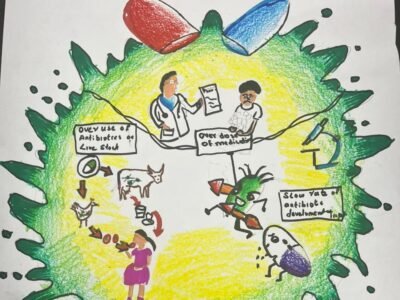
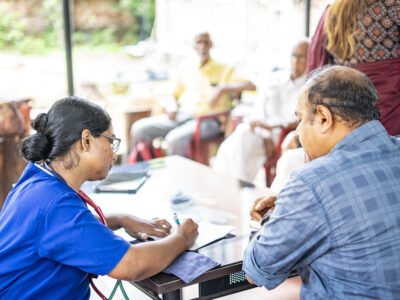
As part of its ongoing commitment to community engagement and education, ReAct Asia Pacific recently held a school outreach activity in Trivandrum, India, to mark World AMR Awareness Week 2025.
WAAW interview
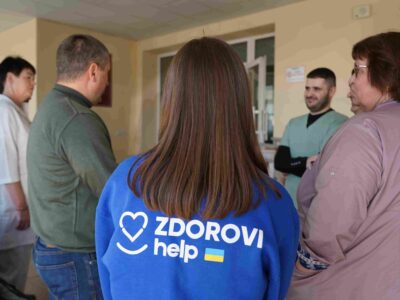
Since the first days of the full-scale invasion, the Ukrainian humanitarian aid agency ZDOROVI has stood alongside Ukraine’s healthcare workers, helping hospitals across the country. Nataliia Tulinova, founder and CEO of ZDOROVI, has guided the organization through one of the most challenging periods in modern healthcare. In this interview, she shares her perspective why antimicrobial reistance and infection prevention and control are critical priorities. ReAct and ZDOROVI is joining forces with other European partners to strengthen infection control and prevention capacities in Ukrainian hospitals.
ReAct 20 years and WAAW
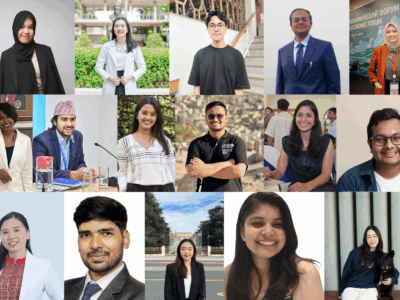
To mark ReAct 20 years celebrations and World AMR Awareness Week, ReAct Asia Pacific proudly launches and introduces the Asia Pacific Youth AMR Task Force. This regional initiative brings together diverse youth-led and youth-serving organizations committed to strengthening action on AMR through a One Health lens.

WAAW
To mark World AMR Awareness Week (WAAW), we are happy to highlight some of the work being done in connection with WAAW. As an early start to the celebratory week, already on October 22, ReAct Europe gathered 20 Master’s students from the Infection Biology Program at Uppsala University for a workshop. The workshop explored how communities can contribute to addressing the growing global threat of antibiotic resistance and the students discussed possible solutions. This year’s workshop built on the success and strong engagement of previous years, continuing to strengthen student involvement in AMR action ahead of WAAW.
WAAW
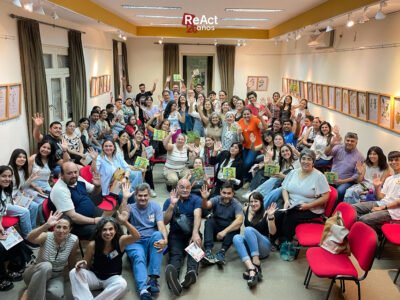
During WorldAMR Awareness Week, celebrated every year from November 18 to 24, communities across Latin America organized a series of colorful events. They met in plazas, schools, kitchens, government ministries, universities, on the streets, and in their territories to imagine solutions, create art, dialogue, and care for one another.

WAAW
To celebrate World AMR Awareness Week 2025, the ReAct Africa project Maarifa Kids partnered with Belleza Talent Agency to host an AMR Awareness Book Day on 22 November 2025. This at the ReAct Africa Regional Office in Lusaka, Zambia.
WAAW
Antimicrobial resistance (AMR) has become one of the greatest threats to the health of people and the planet. But AMR is not just a medical problem. Is origin reflects a convergence of environmental, social, and economic factors, including contamination, inequality, intensive production models, and the broad application of antibiotics in medicine and food systems.
World AMR Awareness Week is an opportunity to rethink our relationship with antibiotics and with life itself.
From ReAct, we add our voices to this global movement, highlighting our work across sectors, institutions, and communities in four continents. In the article below, we share some of the activities coming up this World AMR Awareness Week.
ReAct 20 years
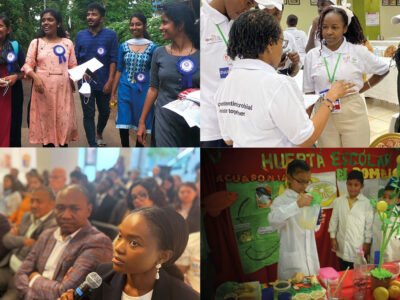
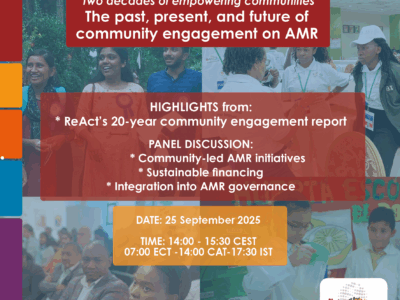
“Antibiotic resistance cannot be solved by any one group alone. It demands a coordinated, whole-of-society response – and at the very heart of this effort lies the power of community mobilization.” With this call to action, Andrea Caputo Svensson of ReAct Europe opened the global webinar, setting the stage for a vital conversation. Held on September 25, 2025, “Two Decades of Empowering Communities: The Past, Present, and Future of Community Engagement on AMR” represented a unified push to place people at the center of the global response to antimicrobial resistance (AMR).
ReAct 20 years
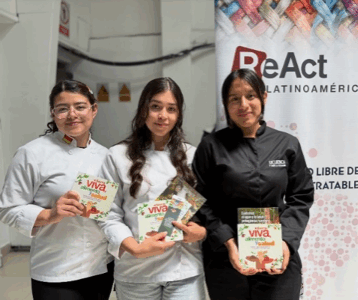
2025, marking ReAct’s 20th anniversary, ReAct Latin America highlighted the importance of viewing health from a holistic perspective, recognizing the interdependence between human beings, food, water, and the Earth. Publications published and meetings held so far demonstrate that antibiotic resistance, biodiversity loss, and environmental crises cannot be addressed in isolation.

Policy
The World Health Summit (WHS) once again brought together global health leaders and experts from across sectors to “catalyze solutions for pressing health challenges”. As one of the most influential gatherings in global health, the summit aims to be a platform for new new ideas, dialogue, networking and collaborations. Discover impressions and highlight

Policy
In the recent consultation on the draft of the Global Action Plan (GAP) ReAct gave input emphasizing the importance of equity, sustainable financing, and strengthened accountabiltiy to accelerate the global response to AMR. Find ReAct’s suggestions and recommendations in the full article.

News
In September 2025, ReAct Africa launched an innovative communication tool, the AMR Unplugged Podcast, marking a new step in making conversations about antimicrobial resistance (AMR) more accessible to everyone. The podcast is created to raise awareness about AMR among the general public by breaking down complex scientific concepts into everyday language that people can easily relate to.

Opinion editorial
In this Opinion Editorial, Daniel Carelli and Otto Cars highlight the urgent need for stronger evidence-based oversight in the global fight against antimicrobial resistance. As drug-resistant infections continue to rise, the authors argue that the coming Independent Panel on Evidence for Action against AMR must empower independent experts to lead and establish a strong bridge from evidence to policy and global action. Member states must act now to secure rigorous accountability, clear mandates, and transformative ambition so that evidence finally drives the response to this escalating threat.

Policy
2025 will be another milestone year in the development of global AMR governance. Mandated by the Political Declaration of the High-level Meeting on Antimicrobial Resistance at the 79th Session of the UN General Assembly in September 2024, the development of another key component to improve and accelerate global steering of the AMR response is currently underway: the Independent Panel on Evidence for Action against AMR (IPEA).
Policy
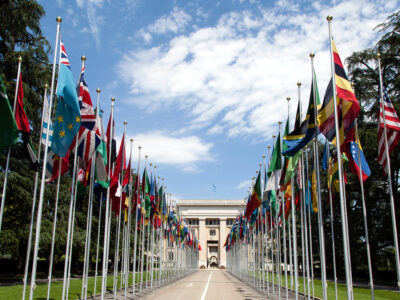
One year after the second-ever High-Level meeting on AMR held on the sides of the United Nations General Assembly, we take stock of the global response and consider the consequences of the major changes in the global backdrop for the field.
ReAct conference
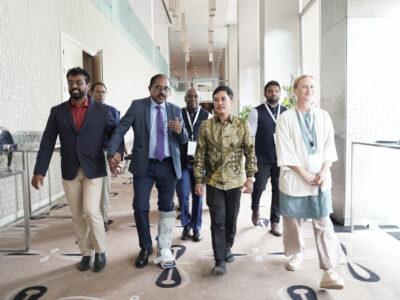
The ReAct Asia Pacific Regional Conference on AMR convened over 100 delegates from 30 countries for two days of dialogue and collaboration on one of the most pressing public health threats of our time.
Under the theme “From Declaration to Action: Operationalizing One-Health AMR Action in the Asia-Pacific Region,” the conference marked a significant step in translating global commitments into regional, actionable initiatives.
Find 10 key takeaways from the meeting-days in article.

News
Armed conflict puts enormous pressure on health systems and accelerates the spread of antibiotic-resistant bacteria. In Ukraine, pan-resistant and multidrug-resistant infections are increasingly reported among patients.
ReAct is now launching a new collaboration to support Ukraine’s National Action Plan on Antimicrobial Resistance (AMR), in partnership with Swedish and Ukrainian institutions. The project will strengthen infection prevention, raise awareness, and build long-term healthcare capacity.
Communities
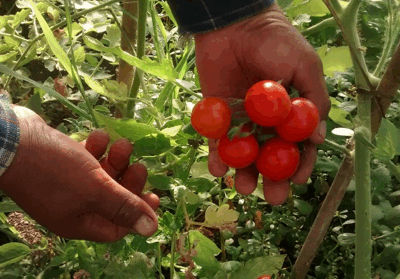
End September, the city of Cuenca in Ecuador hosted the regional workshop “Towards sustainable and healthy agri-food systems”, a dialogue space that brought together seed guardians, producers, veterinarians, agroecologists, nutritionists, chefs, and academics from various organizations.

ReAct 20 years
For nearly two decades, ReAct has been at the forefront of the global response to antibiotic resistance, consistently breaking new ground and pioneering innovative approaches. As one of the first international civil society networks dedicated to this critical issue, ReAct has championed a holistic, “One Health” perspective, advocating for solutions that engage all sectors of society. Click to find list of 20 pioneering actions by ReAct.
Conference
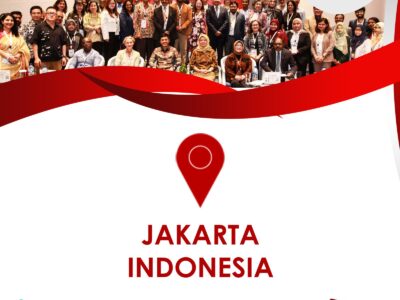
From the United Nations General Assembly High-Level Meeting in New York to the Inter-ministerial Meeting on AMR in Jeddah, the message has been clear: the world can no longer afford to delay decisive action on antimicrobial resistance (AMR).
Recognizing the need to shift from political commitments to concrete solutions, a diverse coalition of stakeholders will convene 11-13 September in Jakarta. Click to register to join online 12-13 September!
Webinar
This year, ReAct celebrates 20 years of putting communities at the center of the solution to antibiotic resistance. To mark this milestone, we launched our new report “Two Decades of Empowering Communities”, reflecting on our journey across Latin America, Africa, Asia, and Europe. One year after the UN General Assembly High-Level Meeting on AMR, we now invite you to join our anniversary webinar, focusing on communities and AMR.
Blog post
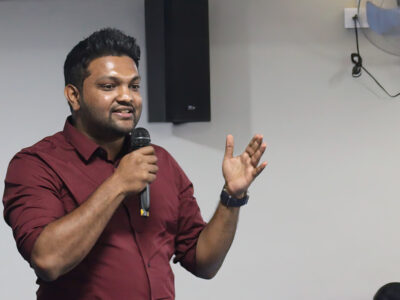
Antibiotic resistance sounds like a sci-fi movie plot and a lab-grown nightmare (microbes getting cleverer while we frantically look for an antidote). But behind the technical jargon are people, systems, and choices. This issue is deeply rooted in how people act, what leaders decide, and how communities live. That’s where youth matter: we bring urgency, creativity, and the kind of stubborn optimism that challenges the status quo in addressing antibiotic resistance and other health related issues that affect them. Despite this, often the role of youth in addressing this crisis is underestimated.
News
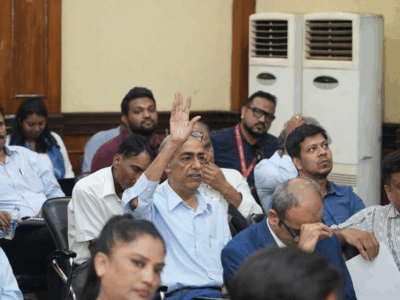
Health experts, media professionals, and advocates gathered in Indias’s capital for a critical national media workshop on antimicrobial resistance (AMR), highlighting an urgent global health threat that could claim 10 million lives annually by 2050 if left unchecked.
Community engagement
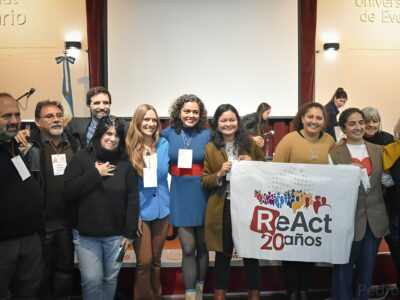
With global health funding under strain, the global health threat of antimicrobial resistance (AMR) faces significant challenges. As resources become more limited, ensuring AMR remains a priority is more critical than ever. Our latest article examines how the global health financing crisis impacts AMR efforts and highlights key strategies to sustain and accelerate progress.
News
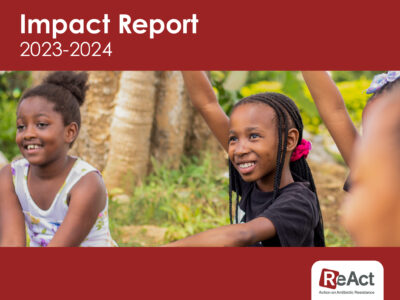
Over the last two years, ReAct has made significant strides in addressing antibiotic resistance through policy advocacy, community engagement, and innovative initiatives.
Our newly released Impact Report 2023-24 details ReAct’s role in shaping global governance of antibiotic resistance, empowering local communities, supporting low- and middle-income countries in implementation work at national level and advancing towards our mission to ensure equitable and sustainable access to effective antibiotics for everyone, everywhere.
News - ReAct 20 years
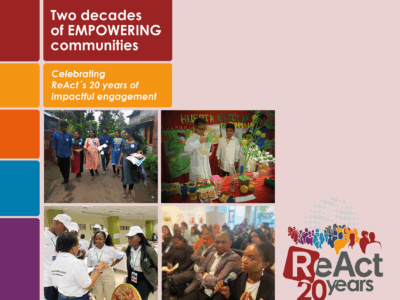
This year, ReAct celebrates 20 years of unwavering commitment to address antibiotic resistance by doing what few global health organizations dared to do early on: placing communities at the center of the solution. Today, we release a new report with key learnings and highlights from this journey.
News
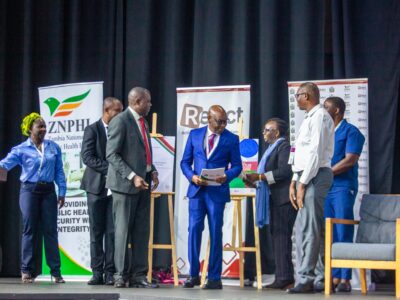
2025 ReAct Africa and South Centre Annual Conference aimed to translate global and regional AMR commitments into practical strategies tailored to local and national contexts, especially in low- and middle-income countries, with a strong focus on Africa.
Find a list of quick takeaways from the conference in the article. A longer and more detailed report will be released in the coming month.
News
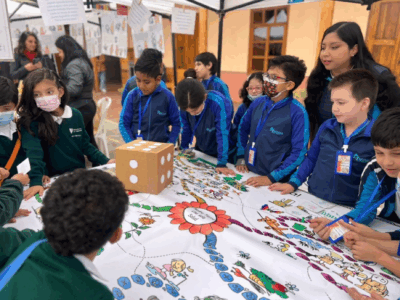
On the morning of May 14, the Casa de la Provincia de Cuenca in Ecuador was transformed into a magical space where play was intertwined to give life to a unique festival, where children discovered the interrelationships between health, water, food and antibiotic resistance from an innovative, profound and hopeful point of view.

News
ReAct is very happy and proud to enter into a new agreement with its longstanding partner Sida. Following an important year of mobilizing global action on the growing crisis of antibiotic resistance, ReAct looks forward to expand its work for equitable and sustainable access to effective antibiotics through this renewed two-year grant from Swedish Development Cooperation Agency (Sida).
Cuenca-meeting
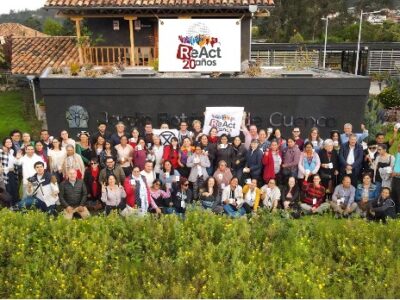
On May 17, 2025, ReAct Latin America marked ReAct’s global work and two decades of pioneering efforts to address antibiotic resistance through multi-sectoral collaboration. The milestone celebration took place in Victoria de Portete, Ecuador, a location deeply symbolic of ReAct Latin America’s commitment to weaving hope with communities at the grassroots level.
News
ReAct Africa and South Centre will be hosting the 10th regional AMR Conference 11-12 June, 2025 in Lusaka, Zambia. In Lusaka the node will host around 200 participants, many from the African region but also global participants. You now get the opportunity to register to participate in the conference online!

Policy
The 78th World Health Assembly (WHA78), held in Geneva in May 2025, marked a special moment in global health diplomacy. As the world grapples to prepare for and address overlapping crises—pandemics, climate change, and the health impacts of protracted conflicts—this year’s assembly presented both reasons for hope and critical areas requiring sustained attention and action.
News
ReAct Asia Pacific has been announced as one of the winners of the esteemed Trinity Challenge’s AMR Youth Funding Competition for 2025. The award recognizes ReAct Asia Pacific’s innovative proposal, titled “From Campus to Farms: Empowering Biosecurity Champions,” which aims to address antimicrobial resistance (AMR) through grassroots interventions in agriculture.

News
In a mix of of science, tradition, and advocacy, ReAct Latin America marked World Health Day with the seminar “Healthy Beginnings, Hopeful Futures,” emphasizing the transformative impact of the first 1000 days of life — from conception to a child’s second birthday. The event brought together healthcare professionals, indigenous midwives, and policymakers to address urgent challenges in maternal and child health, including excessive medicalization, the microbiome’s role, and the need for culturally respectful care.

News
During this year’s Congress of the European Society of Clinical Microbiology and Infectious Diseases – also known as the ESCMID Global conference – held in Vienna between April 11-15, ReAct was represented by Anna Sjöblom, Director ReAct Europe.
In the article Anna and share some reflections from the five-day conference attended by thousands of participants immersing themselves into the science of infectious diseases.
News
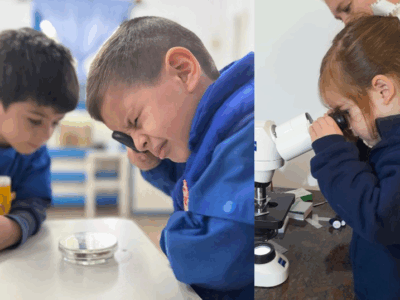
Teacher Marianela Carrapizo first encountered the ReAct Alforja Educativa in 2016 during a socio-environmental health conference in Rosario, Argentina.
The presentation of the material immediately captured her interest. Although it was initially intended for older children, Marianela decided to adapt it to her context as a teacher for younger children.

With global health funding under strain, the global health threat of antimicrobial resistance (AMR) faces significant challenges. As resources become more limited, ensuring AMR remains a priority is more critical than ever. Our latest article examines how the global health financing crisis impacts AMR efforts and highlights key strategies to sustain and accelerate progress.
To mark ReAct’s 20th anniversary, we are launching a brand new youth – engagement page in the ReAct Toolbox! This new resource provides young changemakers with the tools, initatives and inspiration needed to adress antibiotic resistance. From leadership programs to hands-on projects, the page highlights youth-driven efforts from around the world.
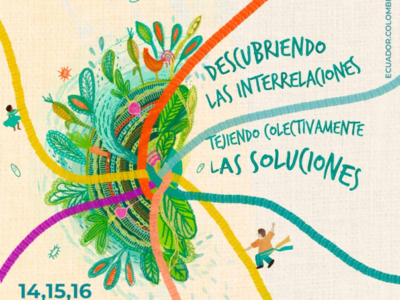
ReAct Latin America is organizing a regional meeting to understand the profound interrelationships between water, food and antibiotics, which are three essential elements of health care. The meeting follows the expression of need for discussions on this theme from organizations in Ecuador, Brazil and Argentina, which are collectively developing solutions to the challenges of public and planetary health.
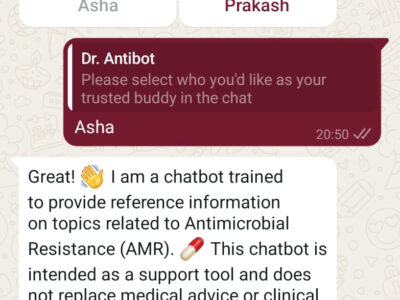
ReAct Asia Pacific, recently convened a consultation meeting at Ananthapuri Hospital, Trivandrum, India, to assess Dr. Antibot, an AI-driven WhatsApp chatbot developed by Dure Technologies with the support of ReAct Africa. This digital tool is designed to support antibiotic stewardship initiatives by providing real-time, evidence-based guidance to healthcare providers (HCPs) and patients, contributing to efforts against antimicrobial resistance.
News
This year, ReAct celebrates 20 years of unwavering commitment to address antibiotic resistance by doing what few global health organizations dared to do early on: placing communities at the center of the solution. Today, we release a new report with key learnings and highlights from this journey.
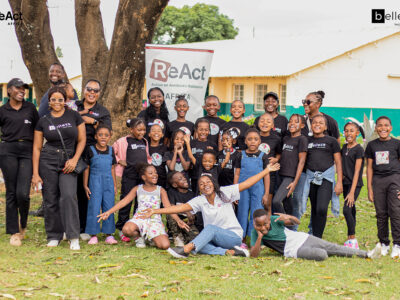
On March 22nd, in honor of World Water Day, ReAct Africa and Beleza Talent Agency organized a community cleanup event aimed at educating 21 children aged 5 to 14 years about the importance of access to clean water, sanitation, and hygiene.
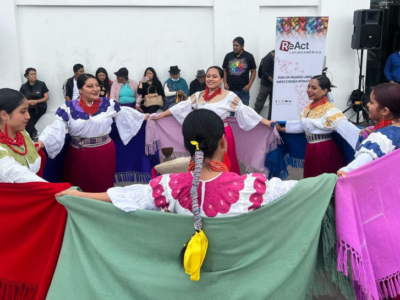
On March 22nd this year, a vibrant community gathering at the Popular Market 9 de Octubre in Cuenca, Ecuador, transformed World Water Day into a powerful celebration of life, health, and collective responsibility. Artists, dancers, and community organizations came together to deliver a crucial message: water is life, and we must protect it.

Join our workshop to explore how youth can lead and drive sustainable solutions on the global health challenge of antibiotic resistance. Learn how to use the ReAct Toolbox and gain skills to train others — perfect for youth leaders, students, and early-career professionals. Click to register for the workshop on the 27th of March.
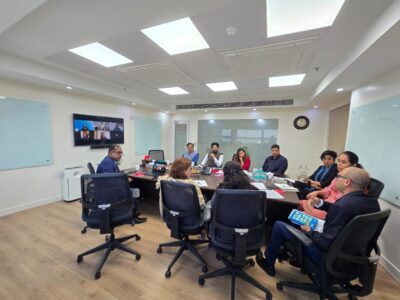
ReAct Asia Pacific recently convened key global and regional stakeholders in Delhi, India, to strengthen collaboration for stronger action on antimicrobial resistance (AMR).
Discussions focused on integrating AMR efforts into health programs, enhancing governance, expanding digital health tools, and fostering public-private partnerships.
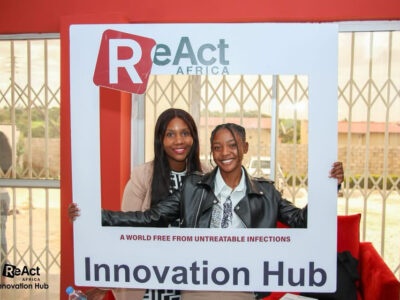
Antimicrobial resistance (AMR) is one of the most pressing global health challenges of our time, requiring innovative and collaborative efforts to combat its spread.
Recognizing the crucial role of young people in addressing this issue, ReAct Africa has launched the Physical Youth Innovation Hub — a dedicated space designed to empower youth with the resources, knowledge, and support needed to develop impactful solutions.
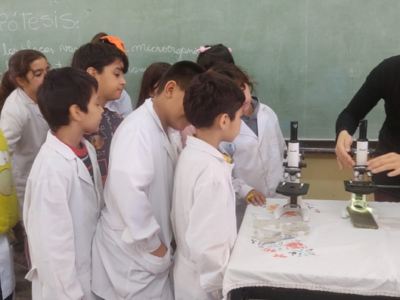
To support educators in integrating school gardens into their teaching, ReAct has developed a practical guide titled “Huerta Escolar y Mundo Microbiano” (School Health and the Microbial World). School gardens can serve as living laboratories where students explore sustainability, food systems, and antibiotic resistance through hands-on learning.
Silvina Alessio, ReAct Latin America, who developed the guide, shares her perspective on how school gardens can inspire and educate.

After losing his mother to a drug-resistant infection, Mirfin Mpundu has dedicated his life to combating antibiotic resistance. Now, as a leading advocate for ReAct, he works tirelessly to support governments, empower young AMR champions, and raise awareness through innovative community engagement. Turning personal heartbreak into purpose, he is driving global efforts to curb the global health challenge of AMR.

The United States of America School in Ricaurte, Cuenca, was filled with joy and learning during the Healthy Eating Fair, an event that brought the community together to celebrate the importance of healthy and conscious eating. The fair, organized by the Niño a Niño Foundation with the support of the Cantonal Health Council and ReAct Latin America, stood out for its emotional impact in the field of school health. It also provided an opportunity to learn and reflect. The importance of healthy eating, along with the crucial role of bacteria and other microorganisms in our food system, was highlighted.”
With 2024 now behind us with all its elevated attention to antibiotic resistance, 2025 lies in front of us as a fork in the road where action and the momentum from last year’s High Level Meeting, will either continue to grow – or – priorities will have moved on and actions will stagnate. ReAct of course hopes for the first option, but also deems is necessary to be prepared to work hard to prevent that antibiotic resistance does not fall completely off the radar of politicians again.
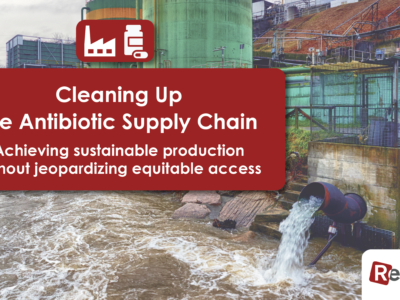
The increasing global crisis of antibiotic resistance demands urgent and multi-faceted solutions, yet a less recognised driver of resistance is pollution from antibiotic production. Waste from manufacturing sites can create hotspots of resistance, disproportionately affecting low- and middle-income countries. This policy brief addresses the intersection of environmental pollution, antibiotic resistance, and equitable access to antibiotics, offering practical recommendations for systemic change.
The ReAct Africa Youth Report, compiled by ReAct Africa with support from the Swedish International Development Agency (SIDA), evaluates the effectiveness of ReAct Africa’s youth initiatives in addressing antimicrobial resistance (AMR) in sub-Saharan Africa.
Leading health experts and environmental advocates have united to address one of the most pressing global health challenges: Antimicrobial Resistance (AMR). In a groundbreaking webinar, the Instituto de Defensa de Consumidores (IDEC), Brazil and ReAct Latin America presented a new policy brief outlining strategic recommendations to address this growing global health challenge.
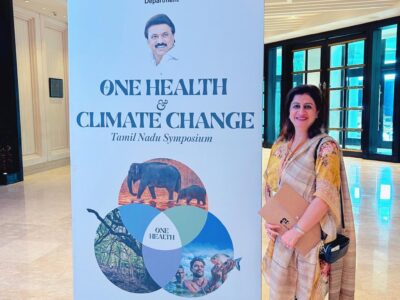
Tamil Nadu’s new One Health and Climate Change Hub aims to tackle antimicrobial resistance (AMR) by integrating strategies across health, agriculture, environment, and more. Launched in November 2024, it emphasizes cross-sector collaboration, political commitment, and actionable solutions.
The initiative seeks to strengthen AMR’s role in public health and climate resilience efforts, with a focus on coordinated governance, data-driven policies, and public-private partnerships.
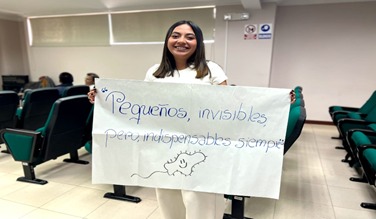
A meeting was held at the National University of Loja, Ecuador on 2 December 2024 with the participation of more than 50 students from the Faculty of Human Health, teachers, and university authorities.
This event, organized in collaboration with ReAct, focused on the role of microorganisms in sustaining life and the challenges associated with bacterial resistance, under the “Mother Earth One Health” approach.