
2026-11-12
Antibiotic resistance is often framed as a looming, abstract global crisis, yet its true toll is deeply human and immediate. In this candid interview, filmmaker and storyteller Mainala Silondwa recounts her unexpected battle with a multidrug-resistant Pseudomonas infection following routine ankle surgery.
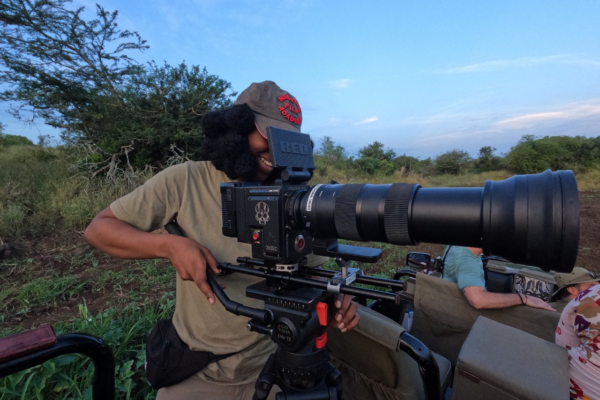
From the shock of finding that only two antibiotics could treat her condition to enduring six grueling weeks of daily intramuscular injections, Mainala lays bare the physical exhaustion, financial drain, and emotional vulnerability that accompany the failure of modern medicines.
Her journey serves as both an urgent wake-up call to listen to our bodies and a poignant reminder of why access to effective treatments and robust social support is essential for survival.
How did you find out about the multidrug-resistant infection?
– I experienced persistent pain and swelling in my ankle, which I initially dismissed. When I sought medical care, doctors discovered a non-cancerous bone cyst that required surgery and a bone graft.
– Laboratory tests following the procedure revealed a multidrug-resistant Pseudomonas infection, meaning that several antibiotics could no longer treat the bacteria effectively.
What were your thoughts about the struggle to find medicine?
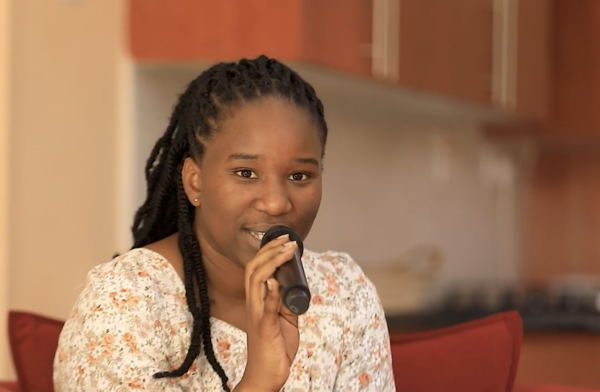
– I faced the unsettling reality that only two antibiotics were effective against the infection, and one was unavailable in Zambia. The remaining medicine was difficult and costly to find, and I needed help to obtain it while recovering from surgery.
– Her experience highlighted the uncertainty, emotional strain and financial pressures patients can face, as well as how access to treatment and support, including paid sick leave, can make a difference.
What treatment regimen was required to clear the infection, and what physical toll did it take?
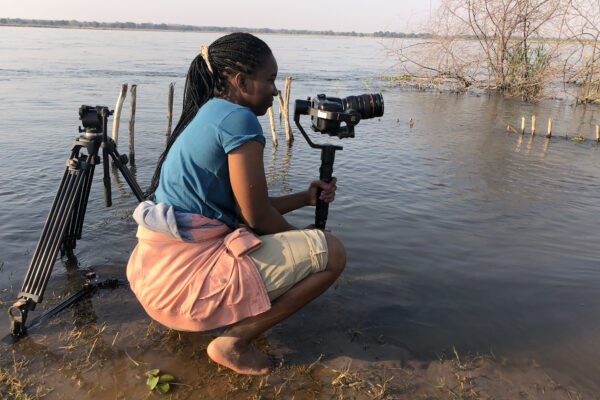
– The treatment required daily injections administered over six weeks. Because intravenous lines collapsed quickly, the medication had to be administered via intramuscular jabs directly into the muscle.
– Navigating daily clinic visits on crutches while unable to bear weight on the operated foot created immense physical exhaustion and pain. When attending the main hospital became unsustainable, arrangement was made to receive the daily injections at an outpatient clinic closer to home.
What was the financial burden of managing this drug-resistant infection?
– The financial impact was substantial, requiring out-of-pocket payments for high-cost antibiotic vials, disposable syringes, and administrative fees for each injection. In total, the treatment required dozens of doses.
– Although formal employment provided paid sick leave and helped absorb the medical bills, the ordeal underlined how economically devastating antimicrobial resistance is for individuals without steady work, comprehensive insurance, or financial safety nets.
How did this experience reshape your emotional outlook and understanding of health?
– Experiencing AMR firsthand shifted it from an abstract, distant scientific concept into a visceral, life-threatening reality. It brought deep feelings of vulnerability, anxiety, and eventual gratitude.
– Going through the struggle highlighted the importance of taking persistent bodily pain seriously rather than ignoring early warning signs, while exposing how fragile modern medicine becomes when frontline antibiotics fail.
Listen to the AMR Unplugged podcast episode, produced by ReAct Africa, where Mainala Silondwa shares her story. Find the episode on Youtube.
More from "2026"
- Four stories four regions one network
- Making the Invisible Visible: New report explores goal conflicts between ABR and the SDGs
- New Lancet Commission: Antibiotic resistance is a global threat requiring action beyond silos
- Meet Mainala Silondwa: A filmmaker’s harrowing fight against a drug-resistant infection
- Join ReAct Strategic Plan 2027-2030 launch webinar!
- ReAct activities World AMR Awareness Week 2026
- From fighting bacteria to dancing with life
- New ReAct Strategic Plan 2027–2030: Addressing antibiotic resistance in an era of polycrisis
- Abuja Compact: 4 key areas to carry commitments forward
- Maarifa Kids Zambia: Children as key AMR stakeholders
- ReAct Europe at Ukraine ReHealth 2026: Building resilient healthcare in times of war
- From people to leaders: strengthening community voices in the AMR response
- A detective story: Who killed the rational use of medicine?
- From People to Leaders: Bridging community priorities and global action ahead of Abuja 2026
- Six key takeaways from ReAct Africa Annual AMR Conference 2026
- Beyond diplomatic aspirations: Bridging the implementation gap in Pandemic Preparedness and AMR
- Connecting environment, AMR and youth action: meet Sarah Rauzana
- Welcome to the ReAct Asia Pacific Conference on Antimicrobial Resistance 2026!
- ReAct Asia Pacific Regional AMR Conference 2026 in November!
- Ukrainian Chief Nurse Alla Kuzhel: “Antibiotic resistance is not a problem of the future”
- Launch of book on “Reimagining Resistance: A Journey in Creative Disruption”
- Closing the gap: Highlights from the ReAct side event at the 79th WHA on AMR governance and financing
- New IPC and antibiotic resistance course for 50 nurses from Ukraine!
- “Every life is an inspiration”: Community-led antibiotic resistance awareness in Delhi’s slums
- From People to Leaders: Why communities must shape the future of AMR governance
- Abuja meeting postponed: a moment to close the gaps before ministers reconvene
- From rivers to resistance: Dr Diego Quijano on the environmental dimension of AMR
- International gathering on educational gardens, microbiome and AMR
- Bridging the AMR divide: Reflections from the WHA79 side event on equity, access, and community-led solutions
- ReAct’s 2025 Impact Report: From grassroots action to global policy
- Art and bio-solidarity in response to AMR
- Dr. Sharot leads the first antibiotic-smart primary health care center in Sweden
- Addressing AMR through art, childhoods and One Health
- Over 70 antibiotic-smart facilities in two years!
- Webinar and survey: From People to Leaders: Community voices shaping Abuja 2026
- From dialogue to progress: Strengthening global AMR governance
- Why the IPEA matters now: A Policy Brief for Member States
- Extension diploma in Educational Knapsack for Planetary Health
- From the World Health Assembly to the communities: Why youth must show up for the next Global Action Plan on AMR
- Ndahafa Imene: Turning curiosity into action on AMR
- Uniting Voices for Action: Inside the WHO Civil Society Task Force on AMR
- The Abuja High-Level Ministerial meeting: a chance to renew ambition and improve accountability to make the global response to antibiotic resistance more effective
- ReAct Europe at the 2026 Nobel Prize Teacher Summit: Global health in focus
- Securing the future of health: ReAct Latin America and Idec propose a new regional strategy for the Americas
- World Health Day: Reflecting on the penicillin revolution
- Reimagining AMR action through community voices: Lessons from Jahangirpuri, New Delhi, India
- Share your perspective: Community priorities survey for the Abuja 2026 AMR Ministerial Meeting
- Belén Juca: When the garden becomes a classroom for AMR
- ReAct at first Regional Meeting on AMR in Brasilia
- Faith Based Organizations: Critical allies for stronger action on AMR
- From Declaration to Action: Insights from the ReAct Asia Pacific 2025 Conference Report
- Antibiotic resistance and aquaculture: Why It matters for One Health
- Revised Global Action Plan on AMR delayed over technology transfer language
- Reflections from the EU JAMRAI2 Annual Meeting
- ReAct Latin America at global AMR Summit in Costa Rica
- A regional anthology: 20 years of action on antibiotic resistance
- Mobilizing faith-based organizations to address antibiotic resistance in Africa
- India’s AMR Response: High-level leadership and Implementation challenges
- Protecting cancer care in the age of antibiotic resistance
- BRIDGE-ABR: A ReAct-led collaboration on goal conflicts, antibiotic resistance and sustainability